
Blog
Brazilian Arabica Coffee
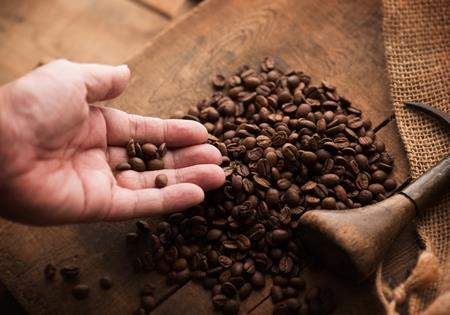
No one knows exactly how or when coffee was discovered, although many legends surround its origins. Botanical evidence indicates that Arabica Coffee originated in the highlands of Ethiopia, where the coffee fruit was consumed in different forms before coffee became the beverage we know today.
Historical accounts also point to Yemen as one of the earliest regions where coffee was cultivated and consumed. By the fourteenth and fifteenth centuries, coffee drinking had become increasingly established in the Arabian Peninsula, beginning a journey that would eventually take coffee around the world.
Today, coffee is one of the world’s most widely traded agricultural commodities, and Brazilian Arabica Coffee holds a prominent position in the international market.
The coffee plant is an evergreen shrub belonging to the genus Coffea and the botanical family Rubiaceae. There are several species of Coffea, but Arabica (Coffea arabica) is generally regarded as the species associated with the finest and most complex coffees.
Among the major cultivated coffee species, Arabica has distinctive botanical characteristics. It is self-fertile and can therefore self-pollinate. Genetically, Arabica is also distinctive for having 44 chromosomes. Its caffeine content is generally lower than that of Robusta coffee, typically ranging from approximately 0.9% to 1.7% by dry weight. Arabica plants perform particularly well in suitable high-altitude environments with favorable temperatures and rainfall.
Coffee grows predominantly in tropical and equatorial regions. Rather than traditional seasonal changes, rainfall patterns play an important role in triggering flowering. Arabica Coffee plants produce delicate, fragrant white flowers, followed by the development of the coffee fruit.
Approximately eight or nine months after flowering, the fruit reaches maturity. Coffee cherries become deep red, shiny, and plump when ripe, typically containing two seeds: the coffee beans. Since ripe and unripe cherries can be found on the same plant, careful harvesting and selection are important factors in preserving coffee quality.
Arabica Coffee beans are relatively flat and elongated, with a distinctive curved groove. Each bean is actually a seed found inside the coffee cherry, protected by different natural layers, including parchment and pulp. Before roasting, Arabica beans can display different shades of green.
Altitude, climate, soil, rainfall, harvesting practices, post-harvest processing, storage, and roasting can all influence the final characteristics of a coffee. Arabica grown at higher elevations is frequently associated with desirable characteristics such as greater aromatic complexity, acidity, sweetness, and flavor definition.
Much like wine, coffee can express characteristics associated with its geographic origin. Arabica Coffee is particularly appreciated for its complex sensory profile. Depending on the variety, terroir, processing method, and roast, Arabica beans may offer sweetness, balanced acidity, and flavor notes ranging from fruits and berries to chocolate, caramel, and nuts. This complexity has made Arabica the foundation of many specialty and gourmet coffees around the world.
Brazil has a unique position in the global coffee industry. As the world’s largest coffee producer and one of its most important exporters, the country combines extensive agricultural experience, favorable growing regions, established infrastructure, and a highly developed coffee supply chain.
Brazilian Arabica Coffee is internationally recognized for its quality, consistency, versatility, and wide range of sensory profiles. Different Brazilian producing regions, altitudes, microclimates, varieties, and processing methods allow the country to supply coffees suitable for different markets, roasters, brands, and consumer preferences.
Among Brazil’s most renowned coffee-producing areas is the state of Minas Gerais, in southeastern Brazil. Its climate, altitude, soils, and long tradition of coffee cultivation have made the region internationally associated with high-quality Arabica production.
Premium Brazilian Arabica Coffee can present a balanced combination of sweetness, body, aroma, and acidity, with sensory notes that may include chocolate, caramel, nuts, fruits, and other characteristics depending on the specific origin and processing method. Higher-quality lots can offer particularly complex and distinctive profiles, making them attractive to specialty coffee roasters and demanding international markets.
Braver exports Brazilian Arabica Coffee sustainably produced in southeastern Brazil, more precisely in southern Minas Gerais, at an altitude of approximately 1,250 meters. We exclusively supply 100% Arabica Coffee and can support different international requirements and commercial formats.
Brazilian Arabica Coffee is available as green coffee beans for international buyers and roasters, roasted coffee beans, and coffee capsules upon request. Through our international trade structure, Braver supports the development and execution of export operations from Brazil.
Braver exports Brazilian Arabica Coffee worldwide. Talk to one of our Project Managers and learn more.
Historical accounts also point to Yemen as one of the earliest regions where coffee was cultivated and consumed. By the fourteenth and fifteenth centuries, coffee drinking had become increasingly established in the Arabian Peninsula, beginning a journey that would eventually take coffee around the world.
Today, coffee is one of the world’s most widely traded agricultural commodities, and Brazilian Arabica Coffee holds a prominent position in the international market.
The coffee plant is an evergreen shrub belonging to the genus Coffea and the botanical family Rubiaceae. There are several species of Coffea, but Arabica (Coffea arabica) is generally regarded as the species associated with the finest and most complex coffees.
Among the major cultivated coffee species, Arabica has distinctive botanical characteristics. It is self-fertile and can therefore self-pollinate. Genetically, Arabica is also distinctive for having 44 chromosomes. Its caffeine content is generally lower than that of Robusta coffee, typically ranging from approximately 0.9% to 1.7% by dry weight. Arabica plants perform particularly well in suitable high-altitude environments with favorable temperatures and rainfall.
Coffee grows predominantly in tropical and equatorial regions. Rather than traditional seasonal changes, rainfall patterns play an important role in triggering flowering. Arabica Coffee plants produce delicate, fragrant white flowers, followed by the development of the coffee fruit.
Approximately eight or nine months after flowering, the fruit reaches maturity. Coffee cherries become deep red, shiny, and plump when ripe, typically containing two seeds: the coffee beans. Since ripe and unripe cherries can be found on the same plant, careful harvesting and selection are important factors in preserving coffee quality.
Arabica Coffee beans are relatively flat and elongated, with a distinctive curved groove. Each bean is actually a seed found inside the coffee cherry, protected by different natural layers, including parchment and pulp. Before roasting, Arabica beans can display different shades of green.
Altitude, climate, soil, rainfall, harvesting practices, post-harvest processing, storage, and roasting can all influence the final characteristics of a coffee. Arabica grown at higher elevations is frequently associated with desirable characteristics such as greater aromatic complexity, acidity, sweetness, and flavor definition.
Much like wine, coffee can express characteristics associated with its geographic origin. Arabica Coffee is particularly appreciated for its complex sensory profile. Depending on the variety, terroir, processing method, and roast, Arabica beans may offer sweetness, balanced acidity, and flavor notes ranging from fruits and berries to chocolate, caramel, and nuts. This complexity has made Arabica the foundation of many specialty and gourmet coffees around the world.
Brazil has a unique position in the global coffee industry. As the world’s largest coffee producer and one of its most important exporters, the country combines extensive agricultural experience, favorable growing regions, established infrastructure, and a highly developed coffee supply chain.
Brazilian Arabica Coffee is internationally recognized for its quality, consistency, versatility, and wide range of sensory profiles. Different Brazilian producing regions, altitudes, microclimates, varieties, and processing methods allow the country to supply coffees suitable for different markets, roasters, brands, and consumer preferences.
Among Brazil’s most renowned coffee-producing areas is the state of Minas Gerais, in southeastern Brazil. Its climate, altitude, soils, and long tradition of coffee cultivation have made the region internationally associated with high-quality Arabica production.
Premium Brazilian Arabica Coffee can present a balanced combination of sweetness, body, aroma, and acidity, with sensory notes that may include chocolate, caramel, nuts, fruits, and other characteristics depending on the specific origin and processing method. Higher-quality lots can offer particularly complex and distinctive profiles, making them attractive to specialty coffee roasters and demanding international markets.
Braver exports Brazilian Arabica Coffee sustainably produced in southeastern Brazil, more precisely in southern Minas Gerais, at an altitude of approximately 1,250 meters. We exclusively supply 100% Arabica Coffee and can support different international requirements and commercial formats.
Brazilian Arabica Coffee is available as green coffee beans for international buyers and roasters, roasted coffee beans, and coffee capsules upon request. Through our international trade structure, Braver supports the development and execution of export operations from Brazil.
Braver exports Brazilian Arabica Coffee worldwide. Talk to one of our Project Managers and learn more.